HPLC 2026 Review: Why HPLC Columns and Method Development Must Work Together
HPLC 2026 in Indianapolis once again confirmed that column technology remains at the center of modern liquid chromatography. While instruments, detectors, automation, and data systems continue to evolve, the quality of an HPLC method still depends strongly on the correct choice of column chemistry, particle technology, dimensions, mobile phase, and gradient conditions.
From the ChromSword perspective, the most important message from HPLC 2026 is clear: method development is no longer just a trial-and-error laboratory task. It is becoming a structured, knowledge-driven process where column selection, retention modelling, robustness prediction, and automated optimization work together.
Columns Are Still the Heart of HPLC
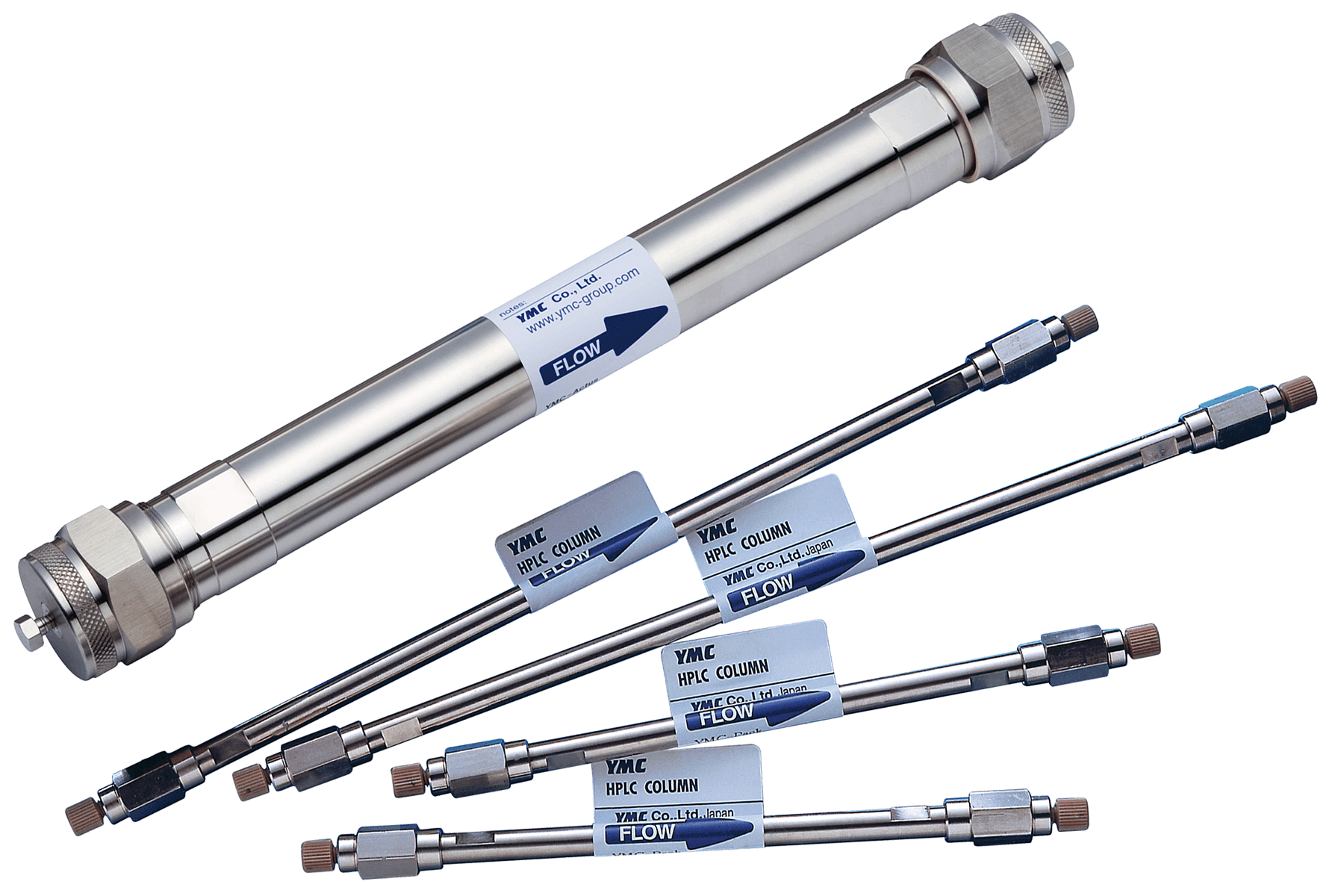
Modern laboratories have access to a wide range of HPLC and UHPLC columns: C18, polar-embedded phases, phenyl phases, mixed-mode columns, HILIC phases, chiral columns, bioinert columns, and specialty materials for peptides, oligonucleotides, proteins, and complex mixtures. This variety gives chromatographers more power, but also creates a practical challenge: which column should be selected first, and how can the best separation be reached with the minimum number of experiments?
HPLC 2026 highlighted that column technology is moving in several directions at the same time. Higher efficiency, better reproducibility, improved inertness, wider pH stability, and application-specific stationary phases are all important trends. For pharmaceutical and biopharmaceutical laboratories, column choice is not only about resolution. It also affects method robustness, transferability, impurity detection, stability-indicating performance, analysis time, and regulatory confidence.
Method Development Needs More Than Column Screening
Traditional column screening remains useful, especially at the beginning of a project. However, screening alone does not fully answer the key questions: Why does one column perform better than another? Which parameters control selectivity? How robust is the final method? What happens if gradient time, temperature, pH, or organic modifier changes slightly?
This is where modelling-based method development becomes essential. ChromSword helps chromatographers move from empirical testing to predictive method optimization. Instead of simply trying many columns and conditions, users can build a retention model, compare possible methods, evaluate critical pairs, and select conditions that provide both good resolution and practical robustness.
In this approach, the column is not treated as an isolated consumable. It becomes part of a complete method development strategy.
ChromSword and Column Selection
For HPLC column suppliers and distributors, including platforms such as HPLCMart, this creates an important opportunity. Customers do not only need columns; they need confidence that the selected column can solve their analytical problem.
ChromSword can support this by connecting column selection with practical method development. For example, a chromatographer may begin with several candidate columns and a limited number of scouting runs. ChromSword can then use the experimental data to predict better gradient conditions, temperature effects, elution order, and resolution. This makes the column evaluation more scientific and more efficient.
Instead of asking, “Which column should I buy?”, the customer can ask a stronger question: “Which column gives the best method for my sample, under realistic operating conditions?”
The Future: Columns, Software, and Automation Together
One clear trend from HPLC 2026 is that modern chromatography is becoming more integrated. Column innovation, UHPLC instrumentation, LC–MS detection, automation, and software-assisted method development are no longer separate topics. They are parts of the same workflow.
For routine laboratories, this means faster method development and fewer failed experiments. For pharmaceutical R&D, it means better understanding of method design space. For quality control, it means more robust methods and smoother method transfer. For column manufacturers and sellers, it means a stronger way to demonstrate the practical value of their stationary phases.
ChromSword fits naturally into this direction. It allows chromatographers to use experimental data more intelligently, reduce unnecessary trial-and-error work, and make better decisions about columns and conditions.
Conclusion
HPLC 2026 showed that the future of liquid chromatography is not only about faster instruments or new stationary phases. It is about combining the right column with the right development strategy.
For HPLCMart customers, this is an important message. Choosing an HPLC column should not be a guess. With modern modelling tools such as ChromSword, column selection can become part of a rational, predictive, and efficient method development workflow.
The best HPLC method is created when column chemistry, chromatographic knowledge, and software-assisted optimization work together.
Reach thousands of researchers worldwide. Fill in your details and our team will contact you shortly.